
Advanced Orthopedic Treatments for Long-Term Joint and Bone Health
- Home
- Blogs
- Advanced Orthopedic Treatments for Long-Term Joint and Bone Health
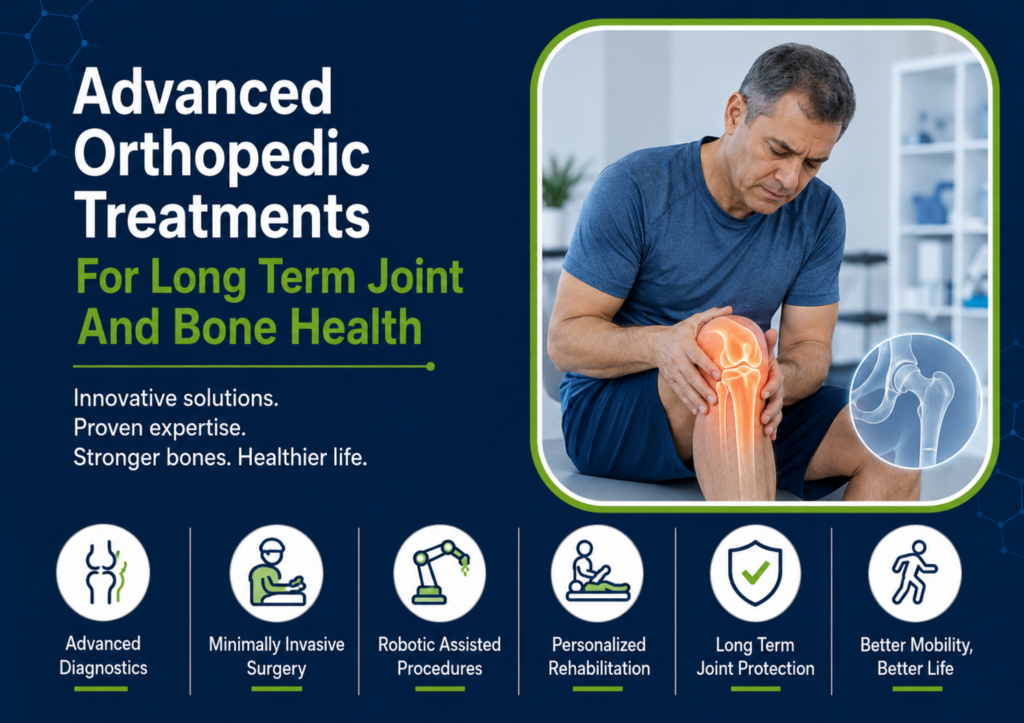
Advanced Orthopedic Treatments for Long-Term Joint & Bone Health
Maintaining strong bones and healthy joints is essential for leading an active and pain-free life. However, modern lifestyles, aging, injuries, poor posture, and sedentary habits are contributing to a rising number of orthopedic problems among people of all age groups. From chronic back pain and arthritis to spinal disorders and joint degeneration, these conditions can significantly affect mobility and quality of life.
According to Dr. Tanay Prabhoo, early diagnosis and advanced orthopedic treatments can help patients recover faster, reduce pain, and maintain long-term musculoskeletal health.
Common Orthopaedic Conditions Treated By Orthopaedic Surgeons?
Orthopedic health focuses on the well-being of bones, joints, ligaments, muscles, and the spine. These structures work together to support movement and daily activities. When any part of the musculoskeletal system is damaged or weakened, it can lead to pain, stiffness, and reduced functionality.
Common orthopedic conditions include :
- Chronic neck and back pain
- Slip disc and spinal disorders
- Arthritis and joint degeneration
- Sports injuries
- Osteoporosis
- Sciatica
- Fractures and ligament injuries
In urban areas like Andheri East, long working hours, desk jobs, lack of exercise, and stressful lifestyles often contribute to these problems
The Evolution of Advanced Orthopedic Treatments
Orthopedic medicine has advanced significantly over the years. Modern treatments are now less invasive, more precise, and focused on faster recovery with long-term results.
1. Minimally Invasive Spine Surgery
Minimally invasive procedures are transforming spine care by reducing tissue damage, blood loss, and recovery time. These techniques use smaller incisions and advanced imaging technology to treat spinal conditions effectively.
Benefits include :
- Reduced post-operative pain
- Faster healing
- Shorter hospital stay
- Lower risk of complications
- Quicker return to daily activities
These procedures are commonly used for herniated discs, spinal stenosis, and nerve compression.
2. Advanced Joint Preservation Techniques
Joint preservation focuses on delaying or preventing joint replacement surgery. Early intervention can help maintain natural joint function and improve mobility.
Common approaches include :
- Physiotherapy and rehabilitation
- Cartilage restoration procedures
- Injection-based therapies
- Corrective orthopedic procedures
These treatments are especially beneficial for younger patients and active individuals.
3. Regenerative Orthopedic Therapies
Modern orthopedic care increasingly includes regenerative techniques that support the body’s natural healing abilities. These therapies aim to repair damaged tissues and reduce inflammation.
Potential benefits include :
- Improved tissue healing
- Reduced pain and stiffness
- Enhanced mobility
- Slower degeneration of joints and tissues
Regenerative approaches are often combined with rehabilitation programs for optimal recovery.
4. Personalized Rehabilitation Programs
Recovery does not end with surgery or medication. Rehabilitation plays a critical role in restoring strength, flexibility, and mobility.
Customized rehabilitation programs may include :
- Strength training exercises
- Posture correction
- Mobility improvement techniques
- Core stabilization exercises
- Lifestyle modifications
A structured rehabilitation plan helps patients recover safely while reducing the risk of recurrence.
Importance of Early Diagnosis
Ignoring orthopedic symptoms can worsen the condition over time. Persistent pain, numbness, swelling, or limited movement should never be overlooked.
Early diagnosis allows specialists to :
- Identify the root cause of pain
- Prevent progression of the condition
- Recommend less invasive treatments
- Improve long-term outcomes
Seeking timely medical attention can significantly reduce the need for complex surgical procedures later.
Lifestyle Habits for Long-Term Bone & Joint Health
Ignoring orthopedic symptoms can worsen the condition over time. Persistent pain, numbness, swelling, or limited movement should never be overlooked.
Stay Physically Active
Regular exercise improves muscle strength, flexibility, and joint stability.
Maintain Good Posture
Proper posture reduces unnecessary strain on the spine and joints.
Follow a Balanced Diet
Calcium, Vitamin D, and protein are essential for strong bones and muscle health.
Avoid Prolonged Sitting
Long hours of sitting can increase stress on the spine and joints.
Maintain a Healthy Weight
Excess body weight increases pressure on the knees, hips, and spine.
When Should You Consult an Orthopedic Spine Specialist?
You should consider consulting a specialist if you experience :
- Persistent neck or back pain
- Joint stiffness lasting several weeks
- Numbness or tingling sensations
- Difficulty walking or standing
- Pain affecting daily activities
Expert evaluation by Dr. Tanay Prabhoo can help determine the most effective treatment plan based on your condition and lifestyle needs.
Final Thoughts
Advanced orthopedic treatments are helping patients achieve better mobility, reduced pain, and improved quality of life. With modern techniques, personalized care, and preventive strategies, long-term joint and bone health is now more achievable than ever.
Whether it is spine-related discomfort, joint degeneration, or orthopedic injuries, timely treatment and proper care can make a significant difference in maintaining an active and healthy lifestyle.