
Effective Pain Management Solutions for Orthopedic Conditions
- Home
- Blogs
- Effective Pain Management Solutions for Orthopedic Conditions
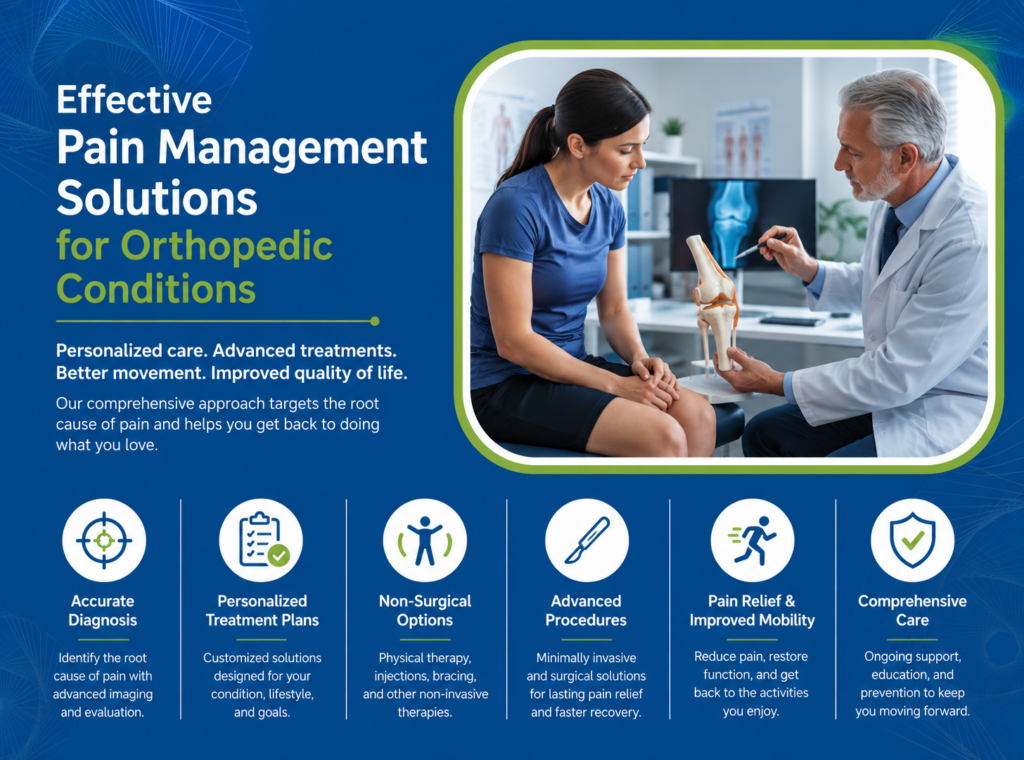
Orthopedic pain can affect your ability to walk, work, sleep, exercise, and perform everyday activities comfortably. Whether it is back pain, neck pain, joint pain, arthritis, sports injury, slip disc, or nerve-related pain, timely diagnosis and proper treatment are essential for long-term relief.
For patients in Andheri East, advanced orthopedic care by Dr. Tanay Prabhoo can help identify the root cause of pain and provide personalized treatment options for better mobility and improved quality of life.
Understanding Orthopedic Pain
Orthopedic pain is related to the bones, joints, muscles, ligaments, tendons, and spine. It may occur suddenly due to an injury or gradually due to age-related wear and tear, poor posture, repetitive strain, or underlying medical conditions.
Common orthopedic conditions that cause pain include :
- Chronic back pain
- Neck pain and cervical spine problems
- Slip disc or herniated disc
- Sciatica
- Arthritis
- Knee, hip, and shoulder pain
- Sports injuries
- Ligament and tendon injuries
- Fractures
- Osteoporosis-related pain
Pain should not be ignored, especially when it continues for several days, affects movement, or interferes with daily life.
Why Proper Pain Management Matters
Pain is not just a symptom; it is often a warning sign that something in the body needs attention. Temporary relief through painkillers may help for a short time, but without treating the underlying cause, the problem can return or worsen.
Effective orthopedic pain management focuses on :
- Reducing pain and inflammation
- Improving movement and flexibility
- Restoring strength and function
- Preventing further damage
- Avoiding unnecessary surgery whenever possible
- Supporting long-term recovery
A structured treatment plan helps patients return to daily activities safely and confidently.
Common Causes of Orthopedic Pain
1. Poor Posture and Sedentary Lifestyle
Long sitting hours, desk jobs, mobile phone usage, and lack of exercise can strain the spine and joints. This is especially common among working professionals in urban areas like Andheri East.
2. Age-Related Joint Degeneration
As people age, cartilage and joint tissues may wear down, leading to arthritis, stiffness, swelling, and chronic pain.
3. Spine-Related Disorders
Conditions such as slip disc, spinal stenosis, sciatica, and nerve compression can cause back pain, leg pain, numbness, or tingling sensations.
4. Injuries and Overuse
Sports injuries, falls, accidents, repetitive movements, and heavy lifting can damage muscles, ligaments, tendons, or bones.
5. Weak Muscles and Lack of Conditioning
Weak core and supporting muscles increase stress on the spine and joints, making pain more likely.
Effective Pain Management Solutions for Orthopedic Conditions
Modern orthopedic care offers several treatment options depending on the cause, severity, and duration of pain.
1. Accurate Diagnosis and Personalized Treatment Planning
The first step in effective pain management is identifying the exact cause of pain. A detailed evaluation may include physical examination, medical history, movement assessment, and imaging tests when required.
Personalized treatment planning ensures that the patient receives care based on their condition, age, activity level, and long-term health goals.
2. Medication-Based Pain Relief
Medications may be recommended to reduce pain, swelling, inflammation, or muscle spasms. These may include anti-inflammatory medicines, muscle relaxants, or nerve pain medications depending on the condition.
Medication should always be taken under medical guidance, especially for chronic pain or recurring symptoms.
3. Physiotherapy and Rehabilitation
Physiotherapy is one of the most important parts of orthopedic pain management. It helps improve flexibility, strength, posture, and movement.
A rehabilitation program may include :
- Stretching exercises
- Strengthening exercises
- Posture correction
- Core stability training
- Joint mobility exercises
- Balance and gait training
- Pain-relief modalities
Regular physiotherapy can reduce dependency on medicines and support long-term recovery.
4. Lifestyle and Ergonomic Modifications
Small lifestyle changes can make a major difference in managing orthopedic pain.
Helpful modifications include :
- Using an ergonomic chair
- Keeping the computer screen at eye level
- Avoiding prolonged sitting
- Taking movement breaks every 30–45 minutes
- Maintaining proper sleeping posture
- Avoiding sudden heavy lifting
- Maintaining healthy body weight
These changes are especially important for office workers and professionals with long working hours.
5. Injection-Based Pain Management
For selected orthopedic conditions, injection therapies may help reduce inflammation and provide targeted pain relief. These are commonly considered when pain does not improve with basic treatment.
Injection-based treatments may be used for :
- Joint inflammation
- Arthritis pain
- Nerve-related pain
- Tendon or ligament irritation
- Spine-related pain conditions
The type of injection depends on the diagnosis and should be recommended only after proper evaluation.
6. Minimally Invasive Spine and Orthopedic Procedures
When conservative treatments do not provide sufficient relief, minimally invasive procedures may be considered. These procedures are designed to treat the problem with smaller incisions, less tissue damage, and faster recovery compared to traditional surgery.
They may be helpful for conditions such as :
- Herniated disc
- Spinal stenosis
- Nerve compression
- Persistent spine pain
- Certain joint or soft tissue problems
Minimally invasive techniques can help patients return to normal activities sooner when appropriately indicated.
7. Surgical Treatment When Necessary
Surgery is usually considered only when other treatments fail or when there is severe structural damage, nerve compression, deformity, or loss of function.
The goal of surgery is to correct the underlying problem, reduce pain, restore movement, and prevent further complications.
When Should You See an Orthopedic Spine Specialist?
You should consult an orthopedic specialist if you experience :
- Pain lasting more than a few days
- Pain that keeps coming back
- Numbness or tingling in arms or legs
- Difficulty walking, bending, or lifting
- Joint swelling or stiffness
- Pain after injury or fall
- Back pain spreading to the leg
- Neck pain spreading to the arm
- Weakness in hands, legs, or feet
Early consultation with Dr. Tanay Prabhoo can help prevent complications and guide you toward the right treatment approach.
Benefits of Timely Orthopedic Pain Management
Timely treatment offers several advantages :
- Faster pain relief
- Improved mobility
- Better posture and strength
- Reduced risk of chronic pain
- Lower chances of worsening damage
- Improved work productivity
- Better sleep and daily comfort
- Enhanced quality of life
Orthopedic Pain Management in Andheri East, Mumbai
Patients in Andheri East often face lifestyle-related orthopedic issues due to long commutes, desk jobs, physical stress, and limited activity. Access to expert orthopedic and spine care can make a significant difference in recovery and long-term health.
Dr. Tanay Prabhoo provides evaluation and treatment for various spine and orthopedic conditions with a patient-focused approach.
Final Thoughts
Orthopedic pain should not be treated as a normal part of life. Whether the pain is mild, moderate, or severe, understanding the cause and starting the right treatment early can help prevent long-term complications.