
Dr. Tanay Prabhoo

Orthopedic Specialist in Andheri East for Joint and Bone Problems

Joint and bone problems can affect people of all ages and may range from temporary discomfort after an injury to ongoing conditions such as arthritis, osteoporosis, or degenerative joint problems. Persistent pain, stiffness, swelling, or difficulty moving should not simply be ignored, particularly when symptoms begin affecting everyday activities.
If you are searching for an Orthopedic Specialist in Andheri East for Joint and Bone Problems, consulting an experienced orthopedic specialist can help identify the underlying cause of your symptoms and determine an appropriate treatment approach.

Understanding the Aging Process

Bones, joints, muscles, ligaments, and cartilage work together to support movement. With increasing age, these structures gradually lose strength and flexibility, making them more susceptible to wear and tear, injury, and degenerative conditions.
Although these changes are a normal part of aging, they should not be ignored when they begin to affect your daily activities.
Dr. Tanay Prabhoo โ€“ Spine & Orthopedic Specialist in Andheri East, Mumbai, provides orthopedic and spine care for a range of musculoskeletal conditions.

What Are Joint and Bone Problems?

The musculoskeletal system includes bones, joints, muscles, ligaments, tendons, and other supporting tissues. Problems affecting any of these structures can cause pain and movement difficulties.
Common orthopedic problems include :
Because similar symptoms can occur with different conditions, proper clinical evaluation is important for determining the likely cause.

Common Symptoms of Joint and Bone Problems

Orthopedic conditions can present with different symptoms depending on the affected body part and underlying cause.
Some common symptoms include :
If symptoms persist, worsen, or interfere with daily activities, an orthopedic consultation may be appropriate.

Common Causes of Joint and Bone Problems

There is no single cause of joint and bone pain. Several factors can contribute to orthopedic problems.
1. Arthritis
Arthritis can cause pain, stiffness, swelling, and reduced joint movement. Osteoarthritis, for example, is associated with changes in the joint that can become more common with increasing age.
2. Sports and Physical Injuries
Sports, exercise, falls, and accidents can result in injuries involving bones, muscles, ligaments, and tendons.
Common examples include :
3. Age-Related Changes
As people get older, changes in cartilage, bone density, muscle strength, and joint structures may contribute to orthopedic problems.
4. Osteoporosis
Osteoporosis reduces bone strength and can increase the risk of fractures. It may develop without obvious symptoms until a fracture occurs, making appropriate evaluation important for people with relevant risk factors.
5. Overuse
Repeated physical movements, excessive training, or repetitive occupational activities can place stress on joints and soft tissues.
6. Poor Posture and Inactivity
Prolonged sitting, inadequate physical activity, and poor posture can contribute to musculoskeletal discomfort, particularly around the back, neck, and shoulders.

When Should You See an Orthopedic Specialist?

Not every episode of pain requires specialist treatment. However, persistent or significant symptoms deserve appropriate medical attention.
Consider consulting an orthopedic specialist if you experience :
Early diagnosis helps slow disease progression and improve long-term outcomes.

Warning Signs You Should Not Ignore

Consult an orthopedic specialist if you experience :
Prompt assessment may help determine whether further investigations or treatment are necessary.

How Are Joint and Bone Problems Diagnosed?

An orthopedic evaluation generally begins with a detailed discussion of your symptoms and medical history.
Your doctor may assess :
Depending on the suspected condition, investigations may include :
The appropriate tests depend on your symptoms and clinical findings.

Treatment Options for Joint and Bone Problems

Treatment varies according to the diagnosis, severity of the condition, age, activity level, and overall health.
Physical Therapy and Exercise
Specific exercises can help improve muscle strength, flexibility, balance, and joint function. A physiotherapy program may be recommended depending on the condition.
Medication
Depending on the diagnosis, medicines may be used to manage pain or inflammation. Medication should be taken according to appropriate medical advice.
Activity Modification
Temporarily modifying activities that aggravate symptoms may help reduce stress on an affected joint or tissue.
Braces and Support
Certain orthopedic conditions may benefit from temporary supportive devices such as braces or other forms of support.
Injections
For selected joint conditions, injections may be considered as part of treatment. Whether they are appropriate depends on the individual’s diagnosis and medical assessment.
Surgical Treatment
Some fractures, severe injuries, advanced joint conditions, or structural problems may require surgery.
Surgery is not automatically necessary for every orthopedic problem. The treatment plan should be based on the specific condition and individual circumstances.
Knee and Joint Pain
Knee pain is one of the common reasons people seek orthopedic care. It can result from arthritis, injuries, ligament problems, overuse, or other conditions.
Symptoms may include:
An orthopedic evaluation can help determine the cause and appropriate treatment options.
Bone Health and Aging
Maintaining bone health becomes increasingly important with age.
Factors that support musculoskeletal health include :
People with risk factors for osteoporosis or fractures may benefit from discussing bone health and appropriate screening with their healthcare professional.

How Can You Protect Your Joints and Bones?

Healthy habits can help support long-term musculoskeletal health.
Stay Physically Active
Regular, appropriate physical activity can help maintain muscle strength, flexibility, balance, and mobility.
Maintain a Healthy Weight
Excess body weight can place additional stress on weight-bearing joints such as the knees and hips.
Use Proper Exercise Techniques
Correct techniques during workouts, sports, and strength training can help reduce unnecessary stress on muscles and joints.
Take Breaks During Prolonged Sitting
If your work involves long periods of sitting, regular movement breaks can help reduce stiffness and musculoskeletal discomfort.
Protect Yourself During Sports
Appropriate warm-ups, protective equipment, gradual training progression, and proper technique can help reduce the risk of certain sports injuries.

Why Choose Dr. Tanay Prabhoo in Andheri East?

Dr. Tanay Prabhoo โ€“ Spine & Orthopedic Specialist in Andheri East, Mumbai, provides orthopedic and spine-related consultations for patients experiencing musculoskeletal problems.
An orthopedic assessment can help patients understand the possible cause of their symptoms and discuss suitable treatment options based on their individual condition.
Whether the concern involves joint pain, sports injuries, age-related orthopedic problems, or spine-related symptoms, appropriate evaluation is an important part of planning care.

Why You Should Not Ignore Persistent Joint Pain

Some people may delay an orthopedic consultation assuming that joint or bone pain will disappear on its own. While some minor problems may improve with rest, persistent or recurring symptoms should be evaluated.
Ignoring ongoing symptoms may affect :
Getting an appropriate diagnosis can help you understand what may be causing the symptoms and what treatment options are available.

Frequently Asked Questions (FAQs)

An orthopedic specialist evaluates and manages conditions involving the musculoskeletal system, including bones, joints, muscles, ligaments, tendons, and the spine.

Consider an orthopedic consultation if pain is persistent, recurring, worsening, associated with swelling or stiffness, or interfering with normal activities.

Many orthopedic conditions can initially be managed with non-surgical approaches such as exercise, physiotherapy, activity modification, medication, and other appropriate treatments. Whether surgery is necessary depends on the specific diagnosis.

Knee pain can have several causes, including arthritis, sports injuries, ligament or tendon problems, overuse, and other orthopedic conditions.

Regular appropriate exercise, adequate nutrition, maintaining a healthy weight, preventing falls, and addressing relevant risk factors can support bone and joint health.

If an injury causes significant pain, swelling, deformity, difficulty bearing weight, restricted movement, or symptoms that do not improve, medical evaluation is recommended.

Patients looking for orthopedic care in Andheri East, Mumbai, can consult Dr. Tanay Prabhoo โ€“ Spine & Orthopedic Specialist in Andheri East, Mumbai, for evaluation of appropriate orthopedic and spine-related concerns.
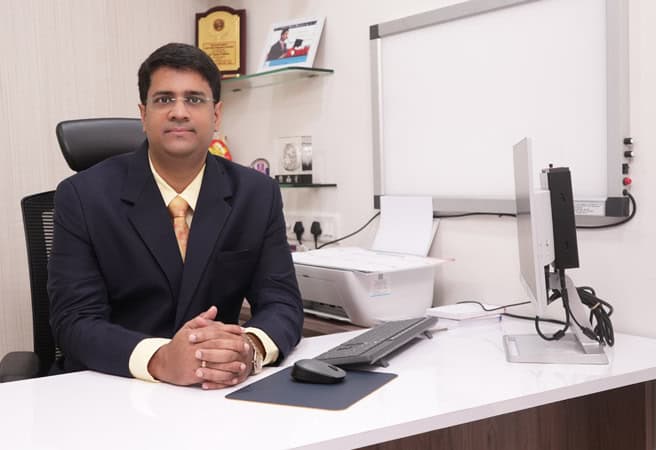
about-dr-tanay-prabhoo

Dr. Tanay Prabhoo

Inspired by a passion to improve lives through advanced orthopedic care, Dr. Tanay Prabhoo embarked on his medical journey over a decade ago. As a skilled Orthopedic and Spine Surgeon, he has committed himself to treating musculoskeletal and spinal conditions, offering his patients innovative, tailored treatment plans.

Scroll to Top